The kitchen sink is the drain that clogs again and again. You plunge it, it drains, and a month later there's gray water sitting in both basins. That pattern almost always means the problem is past the trap: grease and food coating the drain line inside the wall and under the floor. Here's how kitchen clogs form, the three places they hide, and what keeps them from coming back.
First: is it only the kitchen?
If the kitchen sink and dishwasher are the only things acting up, the problem is in the kitchen's own branch line. If a toilet gurgles when the sink drains, or water comes up in a tub or shower, the main sewer line is more likely, and our guide to why a main line keeps backing up covers that. For a one-time clog, start with our step-by-step kitchen drain guide. This post is about the clog that keeps coming back.
1. Grease: the clog you can't see
Bacon fat, pan drippings, butter, sauces and even liquid cooking oil go down warm. A few feet later, inside the wall where the pipe is cooler, the grease starts to stick to the pipe walls. Food particles stick to the grease, more grease sticks to the food, and the opening gets smaller every week. Plunging punches a hole through the middle, but the coating stays, so the sink slows down again.
Hot water and dish soap don't solve it. They carry grease a little farther before it settles. The City of Burbank says grease washed down kitchen sinks sticks to sewer pipes on private property and in the city main, and cautions that soaps, detergents or products that claim to dissolve grease may simply pass grease down the pipes to clog somewhere else.
What to do with it instead, per the Burbank recycling guide: let grease cool and solidify, then wipe or scrape it into the trash. Small amounts of cooled, solid grease wrapped in napkins can go in Burbank's green organics cart. Large amounts, like a turkey fryer's worth of oil, go to a household hazardous waste site. With Thanksgiving coming, that's worth knowing before the fryer comes out. Wipe greasy pans with a paper towel before they go in the sink or dishwasher.
2. The garbage disposal: grinding isn't disappearing
A disposal turns food into small pieces, but those pieces still have to travel the whole drain line. The worst offenders are the ones that turn into paste or rope:
- Starches: rice, pasta, bread and potato peels swell with water.
- Fibers: celery, onion skins, corn husks and artichoke leaves wrap and tangle.
- Grit: coffee grounds and eggshell bits settle in low spots, especially when mixed with grease.
Scrape plates into the trash, feed the disposal a little at a time, and run cold water before, during and for a few seconds after. Cold keeps grease solid so it gets chopped and carried along instead of coating the pipe. Our garbage disposal dos and don'ts has the full list, and if the unit hums but won't spin, try resetting a jammed disposal first.
Two disposal and dishwasher details cause a lot of "clogs" that aren't really clogs. If a new disposal was just installed and the dishwasher stopped draining, the knockout plug inside the disposal's dishwasher inlet may not have been removed. And the dishwasher's drain hose should loop up high under the counter or run through an air gap, so dirty sink water can't run back into the dishwasher.
3. The line in the wall
Under the sink, the trap connects to a short trap arm that disappears into the wall. Behind it, the drain drops down and runs under the house to join the main line. In many Burbank, Glendale, North Hollywood and Van Nuys homes built from the 1940s through the 1960s, that line is galvanized steel or cast iron. Both get rough inside as they age, and rust and scale narrow the opening. Grease grabs onto that rough surface far better than it does on smooth plastic pipe, so these lines clog faster and more often. Our pipe material guide explains how older drain pipes age.
Signs the clog is in the wall line, not the sink:
- Water rises in both basins of a double sink.
- The trap is clean, but the sink is still slow.
- The dishwasher pushes water up into the sink.
- The sink gurgles, or the clog is back within weeks of the last fix.
Gurgling can also point to a blocked vent. Our gurgling drains guide explains how to tell.
What a plumber does about it
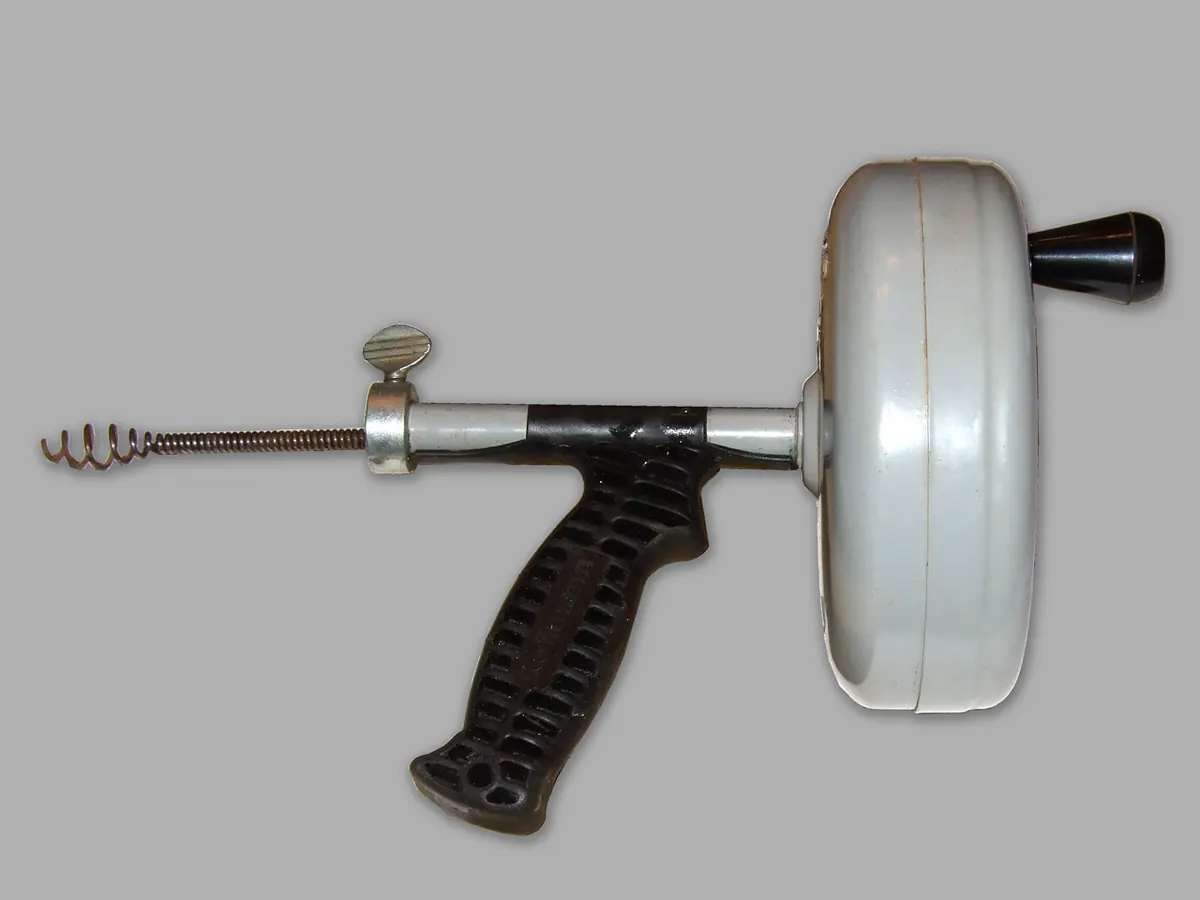
For a kitchen line, a plumber usually removes the trap and runs a drain cable through the trap arm into the wall line, all the way to where it meets a larger drain. That cuts through the grease plug and gets water moving, usually in one visit. If there's a cleanout on the kitchen line, it may go in from there instead. Our drain cleaning page covers how we work. You can do a short run yourself with a hand auger (see how to use a drain snake), but long kitchen runs through old pipe are where a hand snake usually comes up short. Skip chemical drain openers: they don't do much to grease and they're hard on older pipes and disposal seals (here's what to try instead).
If the same line keeps clogging every few weeks even with good habits, ask whether the pipe itself is the problem. Badly corroded galvanized drain pipe can need a section replaced, and a camera inspection can show where the line narrows. See repiping if a lot of the house has the same old pipe.
What it costs to clear a kitchen sink in LA
These are published ranges from LA-area plumbers and cost guides. They're a sanity check, not a quote.
| Job | Published LA-area range | Source |
|---|---|---|
| Kitchen sink drain cleaning | $150–$300 | Angi (Los Angeles) |
| Kitchen sink drain cleaning | $100–$250 | A+ Electric & Plumbing (LA) |
| Kitchen drain with grease buildup | $150–$250 | Expertise Plumbing (LA) |
| Kitchen drain cleaning, Burbank | $175–$350 | PRO Plumbers of Burbank (cost guide) |
| Single fixture clearing, LA & SFV | $145–$295 | Last Drop Plumbing (Reseda) |
| Garbage disposal replacement, unit included | $250–$650 | A+ Electric & Plumbing (LA) |
At Rooter Pros, sink, tub and toilet drains get a free estimate: call (818) 669-9019 and you get the price before any work begins. New customers can also ask about our $49 first-time drain cleaning coupon: new customers only, one per household, one drain or line per visit, residential only, Monday–Friday 7am–5pm, accessible ground-level cleanout required, not valid with other offers. It's a new-customer special, not our regular rate. See our pricing page and the drain cleaning cost guide for more.
How to keep it from coming back
- Use a sink strainer and empty it into the trash.
- Keep grease out of the sink. Cool it, wipe it, trash it.
- Scrape plates before rinsing, even with a disposal.
- Run cold water with the disposal, and keep starches, fibers and coffee grounds out of it.
- Don't count on hot water, soap or drain chemicals to wash grease away.
- Note the dates. If the sink clogs on a steady schedule anyway, the wall line needs a real cleaning or a look with a camera.
When to call
Call a plumber if water stands in both basins, the dishwasher backs up into the sink, the clog comes back within weeks, other drains in the house act up at the same time, or you see water under the sink cabinet. And if you've already poured a chemical opener in, say so before anyone opens the trap.
Kitchen sink clogged again in Burbank, Glendale or the Valley? Rooter Pros clears kitchen lines past the trap and into the wall, and tells you what's causing the repeat clogs. Licensed & bonded (CSLB #917630), open 24/7, with free estimates, flat-rate pricing and no overtime charges.
Call (818) 669-9019Prices in the table are typical published ranges from other Los Angeles-area plumbers and cost guides as of October 2026. They are not Rooter Pros quotes and change over time. Your price depends on your home. Sources are linked in the table.