When one side of a double kitchen sink drains and the other side fills up, the clog is almost always above the point where the two sides meet. When water from one side comes up in the other, the clog is below that point, in the shared trap or the line in the wall. Once you know which, you know where to start.
How a double kitchen sink is plumbed
Under most double sinks, each basin has its own strainer and a short vertical pipe called the tailpiece. On the disposal side, the disposal takes the place of the tailpiece. The two sides join at a tee, either in the middle (a center outlet) or at one end (an end outlet, with a horizontal arm running across). From there everything goes through one P-trap, then a short trap arm into the drain pipe in the wall.
That shared trap is allowed by code. Section 1001.2 of the California Plumbing Code lets one trap serve up to three single-compartment sinks of the same depth when their outlets are no more than 30 inches apart, and limits a tailpiece to 24 inches. So in a normal home kitchen, both basins really do drain through the same trap and the same line. Many homes also drain the dishwasher into the disposal or into a fitting on the sink tailpiece, through an air gap on the counter, which the code (sections 414.3 and 807.3) calls for on domestic dishwashers.
Read the symptom
| What you see | Where the clog usually is |
|---|---|
| Disposal side stays full, the other side drains fine | Inside the disposal, or the short pipe from the disposal outlet to the tee |
| Non-disposal side stays full, the disposal side drains fine | That side's strainer or tailpiece, or the horizontal arm on an end-outlet sink |
| Running the disposal or one faucet pushes water up the other side | The shared P-trap, the trap arm, or the drain line in the wall |
| Both sides drain slowly, or the dishwasher leaves water in the sink | The line in the wall, usually grease |
| Kitchen is slow and so are tubs, toilets or the laundry | Probably the main line, not the sink. See gurgling drains |
When the disposal side backs up
A disposal side that stands full while the other side drains points to the disposal. Turn it on with cold water running. If it hums but doesn't spin, it's jammed: turn it off and follow our steps to reset a jammed garbage disposal. If it spins but the water stays, the grinding chamber or its outlet is packed, usually with potato peels, rice, pasta or coffee grounds. Our garbage disposal dos and don'ts list what causes that.
One more check: if the disposal was just installed and the dishwasher started backing up, the knockout plug inside the disposal's dishwasher inlet may never have been removed. That's a quick fix, but the power has to be off.
When the side without the disposal backs up
If the plain side stays full and the disposal side drains, the clog is in the short run from that basin down to the tee. Pull the basket strainer and look. On an end-outlet sink, the horizontal arm that runs across to the trap has very little slope, so grease and food settle there. It's a common spot for a clog that the disposal side never feels.
Try plunging that side with the disposal side sealed. If that doesn't do it, set a bucket under the sink, loosen the slip nuts and take off the arm and the trap to clean them by hand. They're usually plastic and come apart without tools.
When water comes up in the other basin
This is the one people find most confusing. You run the disposal, or the dishwasher drains, and gray water rises in the side you weren't using. That means the shared path below the tee is partly blocked. The water has to go somewhere, and the easiest way out is up the other drain.
Start with the trap. Clean it out over a bucket and check the trap arm going into the wall. If the trap is clean and the water still comes back, the clog is in the line in the wall. In older Burbank, Glendale and Valley homes that kitchen line is often galvanized steel or cast iron, and years of grease coat the inside and narrow it. LA Sanitation says over 50% of sewer backups are caused by tree roots and poured fats, oils and grease, and warns never to pour cooking grease down a sink or disposal because it hardens in the pipe.
A wall-line clog is cleared with a drain cable run through the stub-out after the trap comes off, not through the disposal. Our guide on why a kitchen sink keeps clogging covers grease in the line, and why a drain keeps clogging covers repeat clogs in general.
What to try before you call
- Stop the water. Don't run the dishwasher or the disposal while the sink is backed up.
- Seal the other side and plunge. Stopper or a wet rag in the other drain, a few inches of water in the clogged side, then several firm strokes. Pinch the dishwasher drain hose if it runs to the disposal. Step-by-step: how to unclog a kitchen drain.
- Check the disposal. Power off at the switch, then the reset button on the bottom of the unit.
- Clean the trap. Bucket and towels under it, loosen the nuts, empty it and rinse it in another sink.
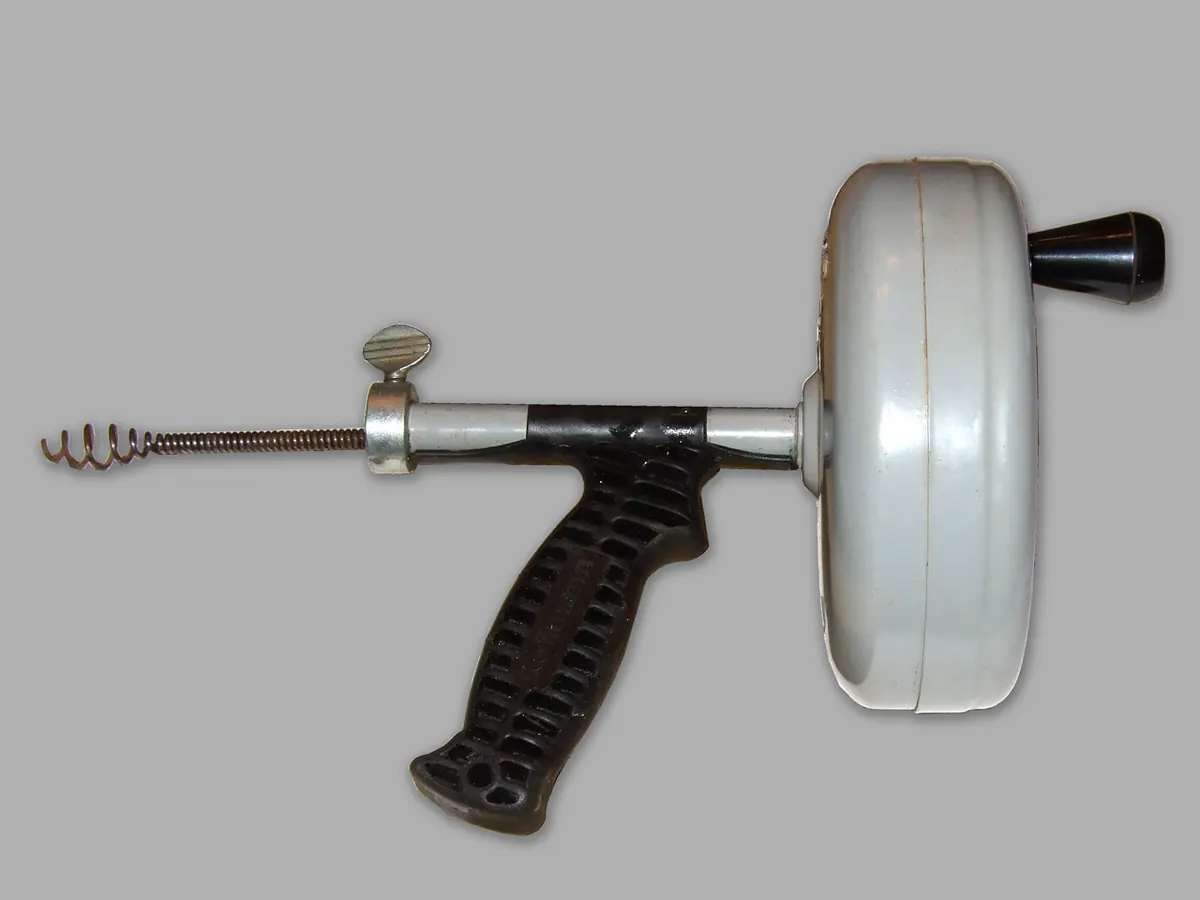
- Snake from the wall, if you're comfortable. With the trap off, a hand auger goes into the stub-out. See how to use a drain snake.
Skip the chemical drain cleaner. It rarely gets through grease in the wall line, and it leaves caustic water sitting in the sink for whoever opens the trap next.
What clearing a kitchen line costs in LA
These are published ranges from other LA-area plumbers and cost guides. They're a sanity check, not a quote.
| Job | Published range | Source |
|---|---|---|
| Kitchen sink drain clearing, Los Angeles | $100–$250 | A+ Electric & Plumbing |
| Kitchen drain with grease buildup | $150–$250 | Expertise Plumbing |
| Kitchen sink drain cleaning, Los Angeles | $150–$300 | Angi (Los Angeles) |
| Single-fixture snaking, Glendale & Burbank | $150–$350 | Alpha-Beta Plumbing (cost guide) |
At Rooter Pros, a kitchen sink clog gets a free estimate: call (818) 669-9019 and you get the price before any work begins. New customers can also ask about our $49 first-time drain cleaning coupon: one clogged drain or line cleared, new customers only, residential, Monday–Friday 7am–5pm, through an accessible ground-level cleanout, not valid with other offers. It's a new-customer special, not our regular rate. Seniors, active military and veterans get 10% off; mention it when you call. See our pricing page and the drain cleaning cost guide for more.
When to call a plumber
Call if plunging and cleaning the trap didn't fix it, if water comes up in the other basin every time the disposal or dishwasher runs, if the sink clogs again within a few weeks, if there's water under the cabinet, or if other drains in the house are slow too. That last one usually means the main line, and our guide on a main line that keeps backing up explains what to check.
Double sink backing up in Burbank, Glendale or the Valley? Rooter Pros finds which part is clogged, clears it, and tells you what was in the line. Licensed & bonded (CSLB #917630), open 24/7, with free estimates, flat-rate pricing and no overtime charges.
Call (818) 669-9019Prices in the table are typical published ranges from other Los Angeles-area plumbers and cost guides as of October 2026. They are not Rooter Pros quotes and change over time. Code sections are from the 2025 California Plumbing Code as published online; your city's inspector has the final word. Sources are linked above.