How to unclog a shower or tub drain. Get the cover off first.
Shower and tub clogs are almost always hair tangled with soap scum, sitting just under the drain cover. The hard part is usually getting the cover or stopper out. Here's how to remove each common type — then clear the clog.
Updated October 2026 · Rooter Pros, Burbank-based mobile plumber · CSLB #917630
What you'll need
All inexpensive:
- Screwdriver — flat and Phillips
- Needle-nose pliers — for grabbing hair
- Plastic drain zip tool — the barbed strip
- Cup plunger — flat-bottom
- Rag or tape — to seal the tub overflow

The steps, in order.
Most shower clogs are gone after step 3.
Identify your drain
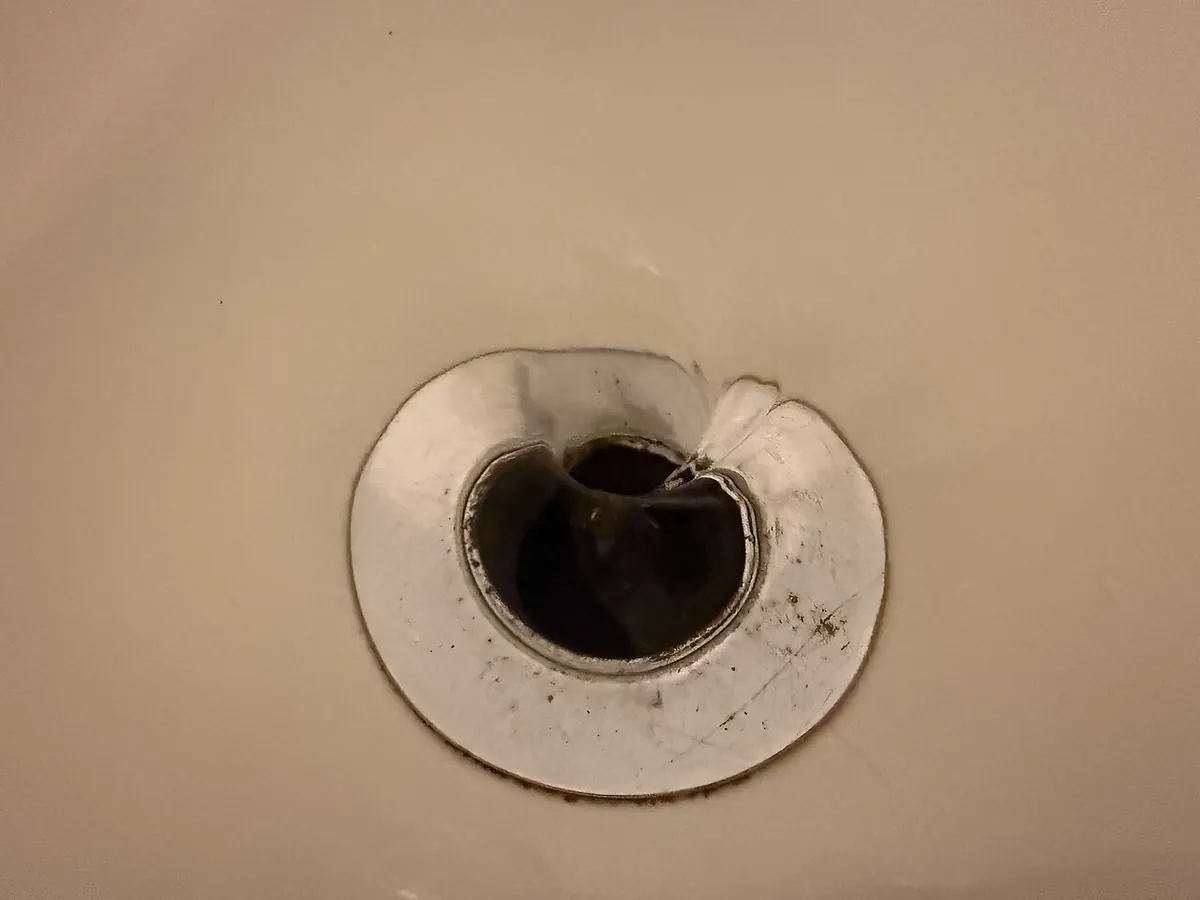
Shower: a flat strainer, either screwed down or snapped in. Tub: a stopper you push and pull, lift and turn, press to toggle (toe-touch), or a lever on the overflow plate (trip lever) that works a plunger inside.
Remove the cover or stopper
Screwed strainer: remove the screw(s) and lift. Snap-in: pry gently with a flat screwdriver. Push-pull or lift-and-turn: unscrew the knob or the stopper body counterclockwise (some have a small set screw under the knob). Toe-touch: unscrew the cap, then the post underneath. Trip-lever: remove the two screws on the overflow plate and pull the linkage out — clean the hair off it too.
Pull the hair out
Grab what you can see with pliers. Then push a zip tool down the drain, twist and pull up slowly. Repeat until it comes up clean.
Plunge with the overflow sealed
In a tub, block the overflow opening with a wet rag or tape so pressure doesn't escape. Run a few inches of water over the drain and plunge hard for 15 to 20 seconds.
Flush and reassemble
Run hot tap water for a couple of minutes to rinse soap scum. Reinstall the cover or stopper. If the drain is still slow, a small hand snake is next — see how to use a drain snake.
Keep it from coming back.
Hair clogs are the most preventable clog there is.
Use a hair catcher
A simple mesh or silicone catcher over the drain stops most hair from getting in. Empty it after showers.
Pull the stopper
Every month or two, remove the stopper or cover and clean off the hair before it builds into a clog.
Chemical cleaners
Caustic cleaners rarely clear a hair mat and can damage older drains and finishes. They also make the job dangerous if you end up plunging or snaking afterward.
Hard water makes it worse
Much of LA and the Valley has hard water, so soap scum and mineral scale build up faster and help hair stick. That's why bathroom drains here can slow down steadily. For sinks and general chemical-free methods, see how to unclog a drain without chemicals.
When to call a pro.
Call if:
The tub and toilet are both slow
Or water comes up in the tub when you flush — that's the main line. See gurgling drains and sewer backup steps.
You can't get the stopper out
Corroded or stuck stoppers can break the drain if forced. We'll get it out without damaging the tub.
It's slow again within weeks
Buildup deeper in an older drain may need professional drain cleaning.
Rooter Pros is open 24/7 — flat-rate pricing agreed before work starts.
Call (818) 669-9019Shower drain FAQ
Straight answers, no sales pitch.
How do I remove a shower drain cover with no screws?
It's likely a snap-in cover. Pry gently at the edge with a flat screwdriver or use a drain cover removal tool. Go slowly so you don't scratch the finish.
Why is my shower draining slowly but not completely clogged?
A partial hair and soap-scum clog lets some water through. Removing the cover and pulling the hair usually fixes it.
Does boiling water clear a shower drain?
It's not recommended. Boiling water can soften PVC drain pipe and damage some fixtures. Hot tap water is enough for rinsing.
Why does water come up in my shower when I flush?
That points to the main line, not the shower drain. Call — it's a sign of a restriction downstream.
Shower still standing water?
If this doesn't work or you'd rather not mess with it, call (818) 669-9019. 24/7 emergency service · Free estimates · Upfront flat-rate pricing