Earthquake plumbing checklist for LA homes.
After a strong quake, the plumbing problems that do the most damage are a toppled water heater, a broken gas line, and a burst pipe nobody can shut off. Most of that is preventable with a weekend of prep — and a short checklist for afterward.
Updated October 2026 · Rooter Pros, Burbank-based mobile plumber · CSLB #917630
What you'll need
Keep these where you can find them:
- Gas shutoff wrench — stored at or near the gas meter
- Flashlight — plus spare batteries
- Your main water shutoff location — know it before you need it
- Stored drinking water — the water heater is a backup reserve only if it stays upright
Before a quake.
Do these now. Each one takes minutes.
Find your main water shutoff
Locate it, make sure it turns, and show everyone in the house. Our main water shutoff guide walks through it.
Find your gas meter and shutoff
Know where the meter is and keep a shutoff wrench there. Only turn the gas off if you smell gas, hear a leak or see damage — once it's off, SoCalGas or a qualified professional has to turn it back on and relight appliances. Follow SoCalGas's earthquake guidance.
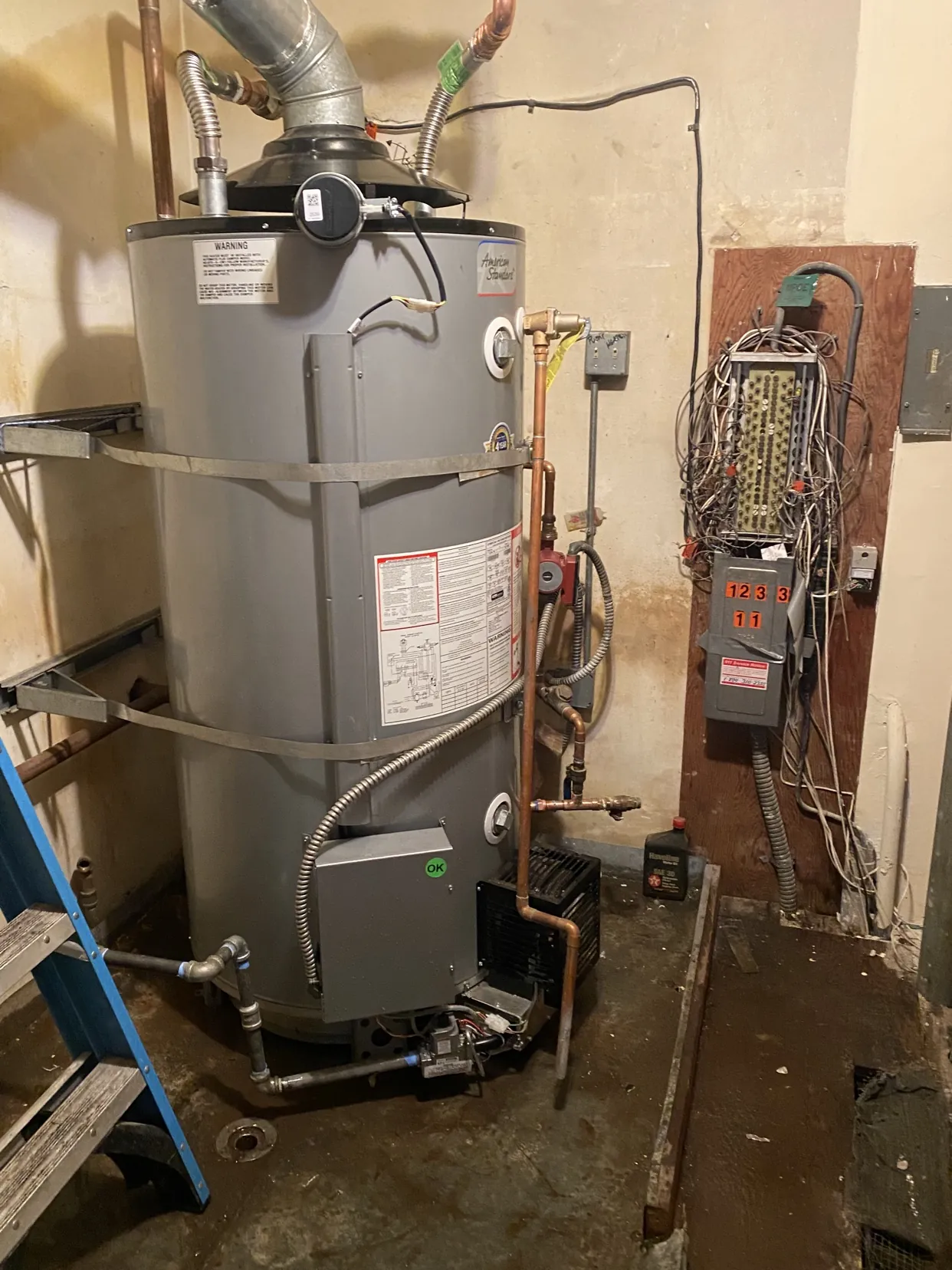
Check your water heater strapping
California requires water heaters to be braced or strapped to resist falling in an earthquake. Look for two straps around the tank, anchored to the wall framing. If yours is missing straps, has one loose strap, or is anchored into drywall only, have it checked against current LADBS / state guidelines — we can do it.
Check for flexible connectors
Rigid pipe connections at the water heater and gas appliances can snap when things shift. Flexible water and gas connectors allow some movement. Gas connector work should be done by a qualified professional.
Ask about a seismic gas shutoff valve
These valves shut off gas automatically in strong shaking. Some local rules require them in certain situations, such as sales or major remodels. Installation is licensed work — check LADBS and SoCalGas information for what applies to your home.
After a quake: check for leaks
Once it's safe: smell for gas first — if you smell it, leave and call SoCalGas from outside. Then look for water on floors, walls and ceilings, check under sinks and at the water heater, and run the meter test to catch leaks you can't see. Watch for slow drains or sewer smell, which can mean a cracked or shifted sewer line.
After-quake: don't do this.
Common mistakes that make things worse.
Don't relight appliances yourself
If the gas was shut off, wait for SoCalGas or a qualified professional to restore service and relight pilots. Don't use matches, lighters or electrical switches if you smell gas.
Don't drink tap water if told not to
If your water utility issues a boil-water notice, follow it. Your stored water — and water in a properly strapped heater — is a backup supply.
Don't flush if lines may be broken
If you see sewage, smell sewer gas or drains back up after a quake, limit water use until the line is checked. A camera inspection shows if it cracked or shifted.
Printable checklist
☐ Main water shutoff located and tested · ☐ Gas meter located, wrench stored there · ☐ Water heater strapped to framing (two straps) · ☐ Flexible connectors at heater and gas appliances · ☐ Seismic gas valve requirements checked with LADBS / SoCalGas · ☐ Stored drinking water · ☐ Plumber's number saved: (818) 669-9019
When to call a pro.
Call us for:
Water heater strapping
We'll check your strapping and connectors and bring them up to current requirements. See water heaters.
Leaks after a quake
Meter moving with everything off, or water where it shouldn't be — we'll find it and fix it.
Slow drains or sewer smell after shaking
Ground movement can crack or offset older sewer lines. A camera inspection tells you if yours moved.
Rooter Pros is open 24/7 — flat-rate pricing agreed before work starts.
Call (818) 669-9019Earthquake plumbing FAQ
Straight answers, no sales pitch.
Should I turn off my gas after every earthquake?
No — only if you smell gas, hear it escaping or see damage. Once it's off, it has to be restored by SoCalGas or a qualified professional, which can take time after a big quake.
How should a water heater be strapped?
California requires bracing to resist earthquake movement, commonly two straps around the tank anchored to wall framing. Requirements are set by state and local code — check LADBS guidance or have a plumber verify yours.
Can I use my water heater as emergency water?
A properly strapped tank holds water you can drain in an emergency. Turn off the gas or power to the heater first and let the water cool.
What's a seismic gas shutoff valve?
A valve that shuts off gas automatically during strong shaking. Whether one is required depends on local rules; installation should be done by a licensed professional.
Is your plumbing quake-ready?
If this doesn't work or you'd rather not mess with it, call (818) 669-9019. 24/7 emergency service · Free estimates · Upfront flat-rate pricing