Find a hidden water leak. The meter test, step by step.
No puddles, no drips — but the bill says water is going somewhere. The meter test is the same first check plumbers use: free, simple, and it catches leaks you'd never see. This guide goes past the basic test and shows you how to narrow down where the leak is.
Updated October 2026 · Rooter Pros, Burbank-based mobile plumber · CSLB #917630
What you'll need
Probably already in the house:
- A flashlight — meters live in dark boxes
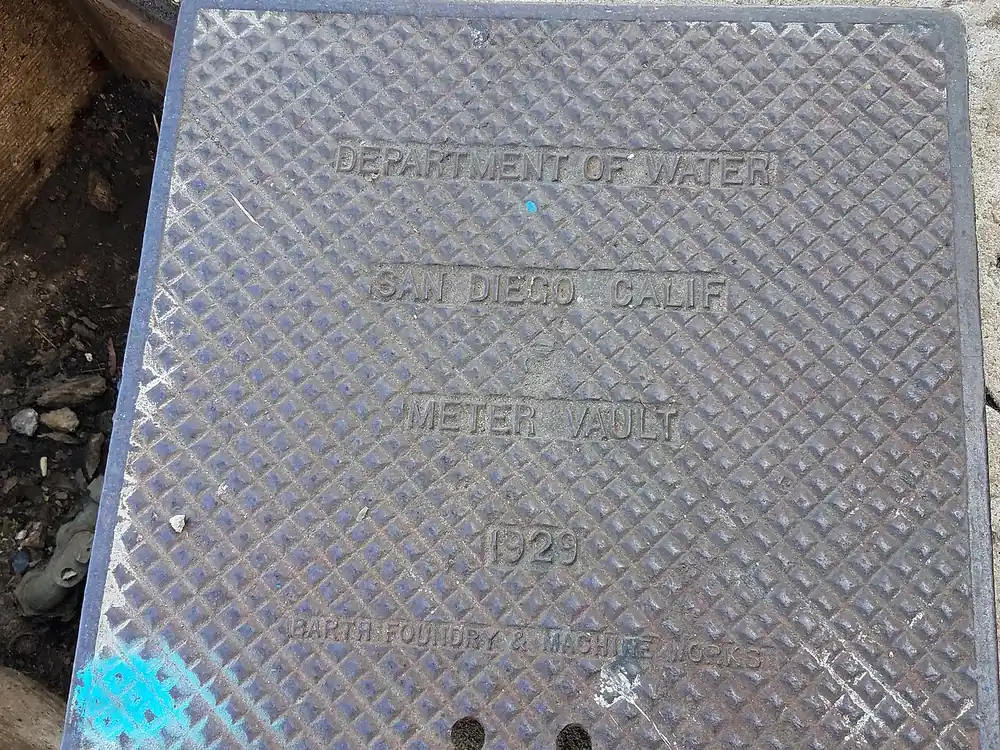
- A meter key or big screwdriver — to lift the meter box lid
- Phone or notepad — to photograph or write down both readings
- Food coloring — for the toilet dye test
- 30–90 minutes — most of it waiting, using no water

The meter test, step by step.
Do them in order and don't skip step 1 — anything using water during the test gives a false reading.
Turn off everything that uses water
All faucets, the washer, dishwasher, ice maker, evaporative cooler, pool fill and irrigation. Make sure no toilet is refilling. Tell everyone in the house before you start.
Find and read the meter
The meter box is usually near the curb or sidewalk. Lift the lid, clear any dirt or water off the face, and photograph or write down every digit. Then look for the small low-flow indicator — often a little triangle, star or dial — that spins with even a slow trickle.
Wait, using no water
Wait 30 to 60 minutes. Longer catches slower leaks. If the low-flow indicator is turning right away, you already have your answer — skip to step 5.
Read it again
Compare the reading. Any change, or a moving low-flow indicator, means water is escaping somewhere on your side of the meter.
Split the house from the yard
Close your house's main shutoff valve (how to find it) and watch the meter again. If it stops, the leak is inside the house — toilets, fixtures, water heater or a line in the walls or slab. If it keeps moving with the house shut off, the leak is between the meter and the house, or in irrigation that branches off before the shutoff.
Check the usual suspects
Inside: drop food coloring in each toilet tank (not the bowl) and wait 15 minutes without flushing; color in the bowl means a leaking flapper — fix it like this. Close each toilet's supply valve one at a time and see if the meter stops. Outside: shut irrigation off at its own valve and walk the lines for soggy spots.
Where hidden leaks hide.
The meter says water is moving. Here's where it usually goes.
Toilets
A worn flapper can leak into the bowl around the clock with no sound at all. The dye test catches it in 15 minutes, and a flapper is an inexpensive part.
The slab
Warm spots on the floor, the sound of running water with everything off, or a water heater that never seems to rest point to a slab leak. Read the slab leak warning signs.
Service line and irrigation
If the meter moves with the house shut off, the leak is in the line from the meter to the house or in irrigation. A cracked sprinkler line or a buried supply leak can run unnoticed for months.
Already did the quick version?
Our high water bill checklist and slab leak guide each include a short meter check. This page is the full version — with the house-versus-yard split that tells you which kind of leak you're chasing before you call anyone.
When to call a pro.
You found the leak's neighborhood — now it needs pinpointing:
The meter moves with everything off
Water is escaping in a wall, underground or under the slab. Pinpointing it takes professional leak detection — acoustic and thermal tools — so the repair opening is small. See slab leak repair.
Warm spots on the floor
A hot spot underfoot often means a hot-water line leak under the slab. These don't fix themselves and get worse with time — call sooner rather than later.
The leak is between the meter and the house
That's your service line. Depending on the pipe and the leak, it may be a spot repair or a water line replacement.
Rooter Pros is open 24/7 — flat-rate pricing agreed before work starts.
Call (818) 669-9019Hidden leak FAQ
Straight answers, no sales pitch.
My meter is moving but I can't find any water. Where is it going?
Into the ground, under the slab or inside a wall — supply leaks rarely show themselves. Use the house-shutoff step to tell inside from outside, then call for leak detection.
How long should I wait during the meter test?
At least 30 minutes, and an hour is better for slow leaks. If the low-flow indicator is spinning right away, you don't need to wait.
What is a slab leak?
A leak in a water line running under your home's concrete foundation. Signs include warm spots on the floor, the sound of running water with everything off, or a water heater that runs constantly.
Will the water company find the leak for me?
Generally they'll confirm usage and may check the meter, but leaks on your side of the meter are the owner's responsibility to find and fix. The meter test is the same check they'd start with.
Can my water softener or evaporative cooler cause meter movement?
Yes — anything that fills or regenerates on its own can move the meter. Shut them off before the test so they don't give you a false positive.
Meter moving with everything off?
If this doesn't work or you'd rather not mess with it, call (818) 669-9019. 24/7 emergency service · Free estimates · Upfront flat-rate pricing