Washing machine drain overflowing? Here's the fix.
A washer pumps a lot of water fast. If the standpipe it drains into is clogged with lint, set up wrong, or connected to a slow line, water comes up over the top — usually during the spin cycle. Most causes are fixable in an afternoon.
Updated October 2026 · Rooter Pros, Burbank-based mobile plumber · CSLB #917630
What you'll need
Before you start:
- Towels & a bucket — there's always some water
- Flashlight — to look down the standpipe
- Hand auger (drain snake) — a 1/4-inch drum snake, 25 ft is plenty
- Lint catcher — a mesh sock or screen for the hose end
- Gloves — lint sludge is unpleasant
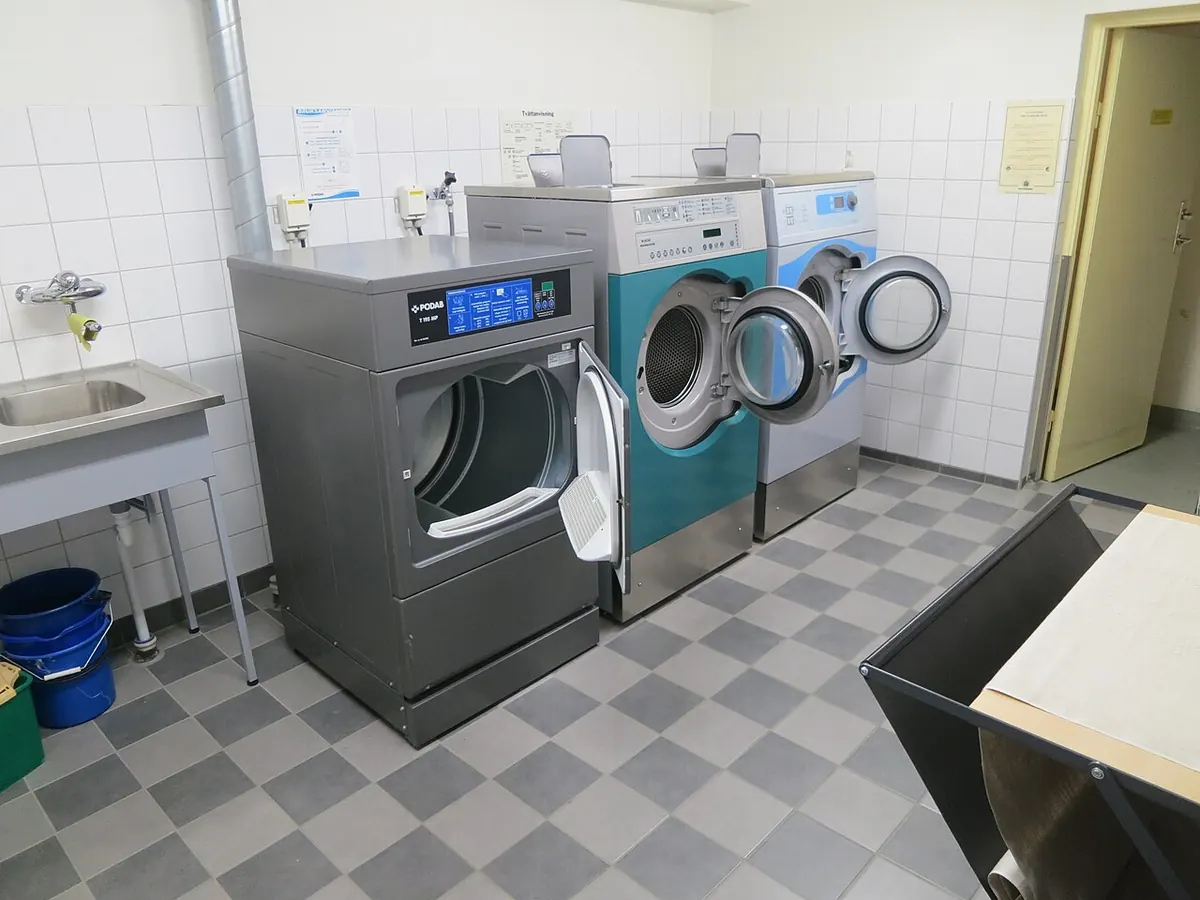

Work through it in order.
Start with the easy checks. Most overflows are lint or a hose problem.
Check if it's only the washer
Run water in the nearest sink, tub and toilet. If they drain fine, the problem is the laundry drain. If the toilet gurgles or a tub backs up when the washer drains, it's the main line — skip to when to call.
Check the drain hose
Pull the washer out and look at the hose. It should hook loosely into the standpipe, not be jammed in and sealed — an airtight fit can cause siphoning and overflow. Make sure it isn't kinked, and that it isn't pushed so far down that it sits in the trap.
Look at the standpipe height
The standpipe is the vertical pipe the hose drops into. If it's too short, the washer's pump can push water over the top; plumbing code sets minimum and maximum heights. If yours looks unusually short or was added by a previous owner, have it checked.
Clear lint from the top
Shine a flashlight down the standpipe. Pull out any lint, threads or debris you can reach with gloved fingers or a bent-wire tool. Run a bucket of warm water down it and watch how fast it goes.
Snake the standpipe
Feed a hand auger down the standpipe, through the trap and into the branch line. Crank clockwise while pushing gently, pull back often to clear the tip, and keep going until it runs freely. Finish with a few buckets of hot water. If the cable hits a hard stop or comes back with roots, stop — that's a line problem.
Prevent the next one
Put a mesh lint catcher on the end of the drain hose and empty it regularly. Clean the washer's own filter if it has one (front-loaders often have a pump filter behind a small door — see the manual). Avoid overloading, which sheds more lint.
What's actually happening.
Washer overflows have a few distinct causes — each has a different fix.
Lint buildup
Lint, fabric fibers and detergent residue coat the inside of the standpipe and trap until the opening is too small for the pump's flow.
Hose or standpipe
A hose sealed into the pipe, pushed too deep, or a standpipe that's too short can overflow even when the drain is clear.
Main line restriction
If other fixtures react when the washer drains, the laundry line is just where the overflow shows up. The real restriction is further down. Read what gurgling means.
Laundry in the garage?
In many Burbank and Valley homes the laundry hookup is in the garage on a long, nearly flat run of older pipe — sometimes cast iron that's scaled up inside. Those lines clog more easily, and a hand snake may not get through. That's where hydro jetting helps.
When to call a pro.
Call if:
Other drains react
Toilet gurgles or the tub backs up when the washer drains — that's the main line. Drain cleaning from the cleanout clears it.
It's back within weeks
A laundry line that clogs again quickly has buildup or damage the snake can't fix. Jetting cleans the full pipe wall.
The standpipe needs changes
Raising a standpipe, adding a trap or fixing venting is plumbing work that may need a permit. We'll handle it.
Rooter Pros is open 24/7 — flat-rate pricing agreed before work starts.
Call (818) 669-9019Washer drain FAQ
Straight answers, no sales pitch.
Why does my washing machine drain overflow only during the spin cycle?
That's when the pump pushes the most water the fastest. A partly clogged standpipe or trap can keep up with a trickle but not with full pump flow.
Can I use drain cleaner in a washing machine standpipe?
We don't recommend it. Chemicals do little to lint mats, can damage older pipes, and make the job dangerous if someone has to snake it afterward.
Should the washer drain hose be sealed into the standpipe?
No. The hose should fit loosely so air can get in. Sealing it can cause siphoning and overflow.
Why does my laundry drain smell?
A dry or partly empty trap, buildup in the standpipe, or a venting problem. Run water down it, clean out buildup, and see our sewer smell guide if it persists.
Laundry room flooding?
If this doesn't work or you'd rather not mess with it, call (818) 669-9019. 24/7 emergency service · Free estimates · Upfront flat-rate pricing